Often referred to as the ‘silent epidemic, type 2 diabetes is one of the major health concerns worldwide. As per the International Diabetes Federation, around 530 million adults aged between 20 and 79 years have diabetes, and type 2 diabetes accounts for 90% of these cases. By 2040, this global health condition will affect another 200 million people – a stark reminder that the clock is ticking.
Type 2 diabetes is a health condition when the body becomes resistant to insulin or fails to produce enough insulin to maintain normal blood sugar levels. Unfortunately, it can lead to various serious health diseases like heart-related problems, vision problems, kidney dysfunction, nerve issues, and much more if left uncontrolled.
However, with the right lifestyle choices and practical tips, diabetic or even pre-diabetic individuals can manage the condition and live a healthier life. It is a good saying that ‘Prevention is better than a Cure’, so keep a close track of your blood sugar, especially if you have a sedentary lifestyle or other health conditions. Today, we bring you 8 helpful tips to manage Type 2 diabetes:
What are the Common Causes of type 2 Diabetes?
Below are underlined factors that may contribute to the condition when the body becomes insulin resistant:
- Being overweight or obesity
- Family history of diabetes
- No physical activity
- Poor diet or excessive consumption of processed and sugary food
- Stress
- High blood pressure
- History of gestational diabetes during pregnancy
It is important to maintain an active and healthy lifestyle to keep chronic diseases at bay.
What are the symptoms of Type 2 Diabetes?
Type 2 diabetes symptoms often develop silently in the initial stage and can be easy to overlook. So, here are some common signs to look for:
- Increased thirst
- Frequent urination
- Unexplained weight loss
- Hunger pangs even after eating
- Blurred vision
- Numbness or tingling in hands or feet
- Slow healing of wounds
If you notice any of these symptoms, visit a healthcare professional immediately and get your blood sugar tested.
8 Practical Tips to Manage Type 2 Diabetes
Managing an uncontrollable blood sugar condition becomes easy with the following guide:
1. Make Healthy Food Choices
Diet is one of the crucial factors in managing your diabetic condition. It is good to make mindful dietary decisions. Instead of eating processed foods and sugary items, focus on low foods that are low on the glycemic index, such as whole grains, sweet potatoes instead of regular ones, nuts and seeds, non-starchy vegetables, pears, apples, and cherries etc. These have a slower impact on blood sugar levels that can help achieve good health.
Say goodbye to refined carbonates, sugary drinks, and salty food. If you want to control your diabetes, include lean proteins in your diet, such as sprouts, fish, and tofu. You can also include bottle gourd, whole grains, and quinoa in your meals to stay healthy inside and outside.
2. Monitor Your Blood Sugar Levels
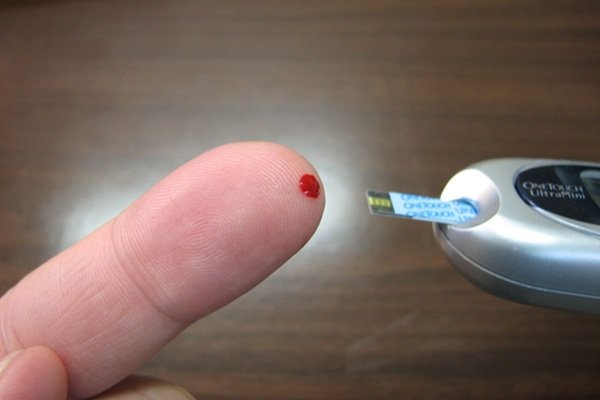
This is one of the most overlooked steps, but an essential one to managing blood sugar levels. Keeping a close eye on your blood glucose levels at regular intervals helps you understand your body when consuming certain foods, activities, and medications.
You can buy a digital glucometer device and check it at home regularly or as advised by your doctor. This can prevent potential complications, such as heart disease and neuropathy. According to diabetologists, the fasting blood sugar levels should range between 80-130 mg/dL, and post-meals should be below 180mg/dL.
3. Maintain a Regular Workout Routine
Physical activity is a must for diabetic patients. Keeping your body moving helps improve insulin resistance, enabling your muscles to consume sugar in your body more efficiently.
So, it is good to do a workout for at least 30 minutes five days a week. Moderate exercise can do wonders. You can leverage the benefits of brisk walking, yoga, swimming, and cycling.
You should walk as much as possible, take stairs instead of elevators, practice Surya Namaskar early in the morning, do dancing, etc, to lower your blood sugar levels. However, it is important to consult your doctor before starting a new working regimen.
4. Stay Consistent with Meal Times
Eating healthy food options isn’t enough- consistency is the key. Skipping meals can deteriorate your health. It can drastically lower your blood sugar levels, also known as hypoglycemia which can be more dangerous. So, eat your food at consistent times daily to maintain regular blood sugar levels. It can also maintain your stable metabolism levels. Also, don’t skip your morning breakfast. You can eat protein-rich food like egg whites, nuts, etc, to kick start your day.
5. Maintain a Healthy Weight
Believe it or not! Losing even a pound of weight can help manage your type 2 diabetes. Studies also show that weight loss improves insulin sensitivity while reducing other health-related concerns. Instead of doing crash diets or hitting the gym for four hours, follow simple tips for weight loss and enjoy an active, healthy, and vibrant life. It can make a world of difference.
6. Manage Your Stress
Unfortunately, chronic stress can worsen your blood sugar levels. When you have high stress levels, cortisol and adrenaline hormones are released. This may increase your blood sugar level. Whether you’re a working professional or a busy parent, you should focus on alleviating your stress. You can practice meditation, yoga, and do what you love the most to cope with your stress conditions.
You can consult a professional expert for stress management techniques and manage your diabetes for a healthy mental and physical well-being.
7. Sleep Quality Matters the Most
Poor sleep can lead to uncontrollable diabetic conditions. Therefore, aim for at least 8-9 hours of quality sleep daily. You should maintain a consistent sleep routine and create a relaxing bedroom environment to reduce stress. Making simple changes to your daily routine can help you lead a healthier lifestyle.
8. Never Skip Medications Or Insulin
For many diabetic patients, you need medications or even insulin injections to manage blood sugar levels. Even if following a healthy diet and an active lifestyle, ensure you take prescribed medications regularly. Not following this can spike your sugar or lead to other complications. It is good to keep an insulin pen handy. Plus, the medications can only improve health if you make necessary lifestyle changes. So, always take your medicines and injections on time, as prescribed by your doctor.
Frequently Asked Questions
Here are some of the most common FAQs to help you make a wise decision to lead a healthy lifestyle when living with type 2 diabetes
Can I reverse Type 2 Diabetes?
In some cases, healthy eating, weight loss, and regular workouts can reverse the condition. However, it requires long-term consistency and a stress-free lifestyle.
What foods should I avoid to control my blood sugar levels?
Say no to sugary drinks like cold drinks, fruit juices, and shakes. Also, avoid processed food like chips, bread, cheese, burgers, refined sugar, butter, etc. Focus on eating clean and low-GI items to manage your diabetes.
How often should I check my blood glucose levels?
It is always good to follow your doctor’s advice. You may need to check it daily or every week, depending on your condition.
Does drinking water help control blood sugar?
Yes, drinking 2-3 litres of water daily can keep you hydrated and help the kidneys to flush out excess sugar from your body.
Endnote
Managing type 2 diabetes is pivotal to staying healthy, vibrant, and active. These practical tips and tricks can help control your blood sugar levels. Ensure you follow mindful eating, cut back sugary and processed foods, do regular exercise, sleep on time, and reduce your stress. Also, visit your doctor regularly and take medications and injections on time.
Disclaimer: This Content is for informational purposes only and not a substitute for professional medical advice.