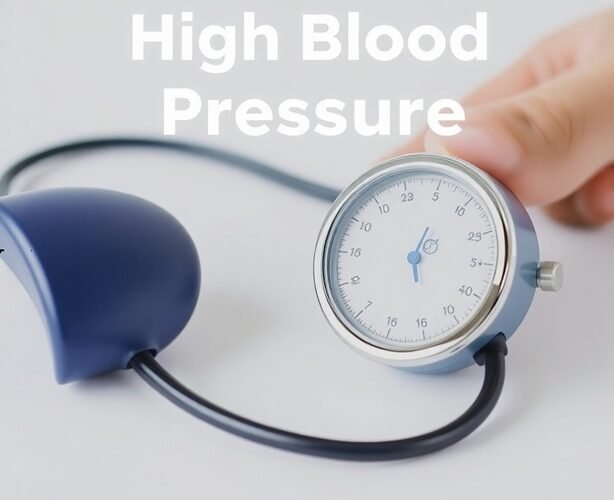
The majority of people don’t even diagnose the early symptoms of high blood pressure or hypertension. With an estimated 1.28 billion adults aged 30-79 affected, hypertension has become an alarming global health concern, and many are unaware of their condition. It feels like we’re sitting on a ticking time bomb if not addressed.
High blood pressure is a health condition that develops when blood flows in your body through the arteries at higher-than-normal pressures. This puts extra pressure on the heart to pump blood. to pump blood. Though hypertension doesn’t have any obvious symptoms, it can eventually increase the risk of heart strokes and kidney failure over time. Thus, it is important to keep a regular check on your blood pressure, understand alarming signs, causes, and manage it as early as possible by adopting a healthy lifestyle.
Let’s Get Started!
Understanding Blood Pressure Levels
| Blood Pressure | Systolic and Diastolic Pressure (mm Hg) |
| Normal | Less than 120 systolic pressure & Less than 80 diastolic pressure |
| Increased | 120 to 129 systolic pressure and Less than 80 diastolic pressure |
| High Blood Pressure Stage 1 | 130 to 139 systolic pressure OR 80 to 89 diastolic pressure |
| High Blood Pressure Stage 2 | 140 or higher systolic pressure OR 90 or higher diastolic pressure |
The blood pressure in your body changes all day long based on your physical activities. It is measure in millimetres of mercury (mm Hg). A healthy systolic blood pressure is less than 120 mm Hg, while a healthy diastolic pressure is less than 80 mm Hg. The blood pressure increases when you get consistent systolic readings of 130 mm Hg or higher, or diastolic readings of 80mm or higher.
• Note: The systolic pressure, or the top number, shows the pressure when the heart beats, while diastolic pressure, or the bottom number, measures the pressure when your heart is resting between beats.
Why High Blood Pressure is a ‘Silent Killer?
The consistently high blood pressure condition can deteriorate your vital organs over time. The heart needs to work hard to pump blood, causing thickened arteries, heart stroke, and heart failure. It can also weaken blood vessels in the brain, affect the kidneys and eyes, leading to kidney failure and vision problems.
Symptoms of High Blood Pressure
People with high blood pressure usually do not develop symptoms, even if they reach the dangerous levels. They can have this problem for years without any symptoms. However, in many cases, people may experience:
- Dizziness
- Headaches
- Shortness of breath
- Nosebleeds (rare cases)
- Blurred vision
However, these are not specific symptoms of high blood pressure. It is good to take regular blood pressure readings. You should visit the doctor if your readings fall above 130/80 mmHg on a regular basis. This needs to be managed as quickly as possible.
What are the Common Causes and Risk Factors
High blood pressure is a common health condition these days. It may be influenced by both a bad lifestyle and genetics. Here are some of the other causes and risk factors to understand:
Bad Food Choices or Unhealthy Diet:
Highly processed foods and items high in sodium or salt and saturated fats can increase blood pressure. Making unhealthy food choices daily can deteriorate your health and may cause other health conditions, such as type 2 diabetes, obesity, and PCOS.
Sedentary Lifestyle
Lack of physical activity or a sedentary lifestyle can increase your weight and cause poor heart health. In today’s era, physical activities often take a backseat due to hectic schedules, work pressure, and tight deadlines.
Obesity
Extra pounds put extra pressure on your heart to pump, leading to hypertension and other health complications.
Alcohol Consumption and Smoking
Excess alcohol consumption and nicotine can significantly increase your blood pressure. Over time, it can also damage your arteries.
High Stress Levels
People with high stress levels and anxiety problems can contribute to higher blood pressure levels.
Hereditary and Age Factor
A family history can also make you more prone to the hypertension condition. It can also increase the risk with age.
How to Manage High Blood Pressure or Hypertension?
The best part is that you can manage your hypertension condition with the combination of a good lifestyle, medications, and healthy food choices:
- Eat Heart-Healthy Food
You should focus on following the DASH diet to manage hypertension. Apart from consuming less sodium food or cutting back salt, consider these options when creating a healthy diet:
- Fresh and seasonal fruits
- Green leafy vegetables like bottle gourd, spinach, cabbage, etc
- Whole grains
- Low-fat dairy items like green yogurt, skimmed milk, and low-fat paneer
- Lean proteins like chicken, egg whites, etc
- Nuts and legumes
Note: Reduce salt intake to less than 2,300 mg per day.
- Moderate Workout is Important
A healthy body promotes good heart health. So, pull up your socks and at for at least 30 30-minute moderate workouts five days a week. Consider brisk walking, swimming, cycling, aerobics, Zumba, and yoga.
- Maintain a Healthy Weight
Focus on losing weight if you have heart-related problems or hypertension. Losing 4-8 kgs of your weight can help manage your blood pressure levels. Calorie deficit is one of the important things to stay fit and enjoy a healthy life.
- Limit Alcohol Consumption
Reducing alcohol to less than one drink a day can help manage your blood pressure by 4 mm Hg. You should avoid drinking too much alcohol, especially beer and whiskey. This can help lead a healthy life. Excess consumption and also make medication less effective.
- Quit Smoking
You should stop smoking to lower your blood pressure. It can also reduce the risk of heart diseases, liver failure, and overall well-being, leading to a longer life.
- Reduce Stress
Consistent stress conditions may lead to higher blood pressure. It is good to practice stress management techniques and follow breathing techniques. You should plan your days and always stay relaxed in odd situations.
- Control Your Blood Sugar and Cholesterol
High blood sugars and high levels of bad or non-HDL cholesterol raise the risk of heart disease. It is good to manage your Type-2 diabetes and high cholesterol by avoiding processed food, sugar intake, and adopting an active lifestyle. Also, visit your doctor regularly and maintain good health.
- Track Your Blood Pressure Levels
Ensure you measure your blood pressure at home to keep a close eye on your hypertension condition. You can easily find advanced blood pressure monitors that come with a digital screen for easy operation. It is also good to talk to your healthcare professional and visit them at regular intervals for medications if required.
Frequently Asked Questions
Do you have any doubts related to high blood pressure? Have a look at the following FAQs and lead a healthier life:
- Can high blood pressure be cured?
Hypertension can’t be cured completely, but you can manage or control it by adopting healthy food choices, an active lifestyle, and medication.
- Is it safe to work out with hypertension?
You should adopt an active lifestyle. Do a light workout like brisk walking, cycling, etc, to stay healthy. If you feel uncomfortable, visit your doctor.
- Can dehydration affect blood pressure levels?
Yes, it can lead to sudden spikes in blood pressure due to narrowed blood vessels. It is good to drink at least 3 litres of water daily.
- Does Caffeine cause High Blood Pressure?
Caffeine, like coffee and tea, can cause a temporary spike in blood pressure, leading to headaches.
- Can a lifestyle change lower or manage blood pressure?
Reducing salt intake and regular workouts can do wonders in managing your hypertension condition. It is good to stay consistent and visit your doctor regularly.
Final Thoughts
High blood pressure is a common health condition these days. However, overlooking it can lead to various complications. This guide will help you manage your blood pressure on a daily basis. It is good to know your blood pressure levels and adopt a balanced lifestyle to stay fit and healthy.
Disclaimer: This Content is for informational purposes only and not a substitute for professional medical advice.