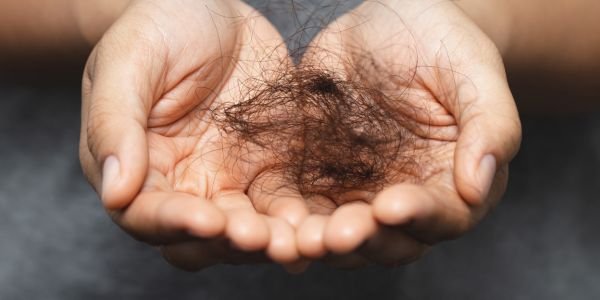
Nothing is more terrifying than waking up to find hundreds of hair strands on the pillow or noticing them fall out while combing. Hair loss is a common concern affecting millions of people across the globe. According to some studies, an average person sheds around 50 to 100 hairs daily. However, the alarming situation begins when you lose more than 100 strands of hair per day. It may lead to bald patches, thinning of hair, lack of confidence, and emotional distress.
Studies showed that people above 50 experience significant hair loss. But if you are facing hair loss problems in your early 20s or 30s, it is time to identify the main causes and fix them as soon as possible. Alopecia is more common in men, but this guide is for everyone suffering from hair loss problems.
Understanding Common Causes of Hair Loss
Below are some of the common causes of hair loss problems for better treatment and care:
- Androgenetic Alopecia or Genetic Aspects
Believe it or not! Genetics is one of the key causes of hair loss among people. It is also known as male-pattern baldness or female-pattern hair loss. This common type of hair loss is usually hereditary and pass it to other generations in a predictable pattern, such as thinning of hair at the crown for men, receding hairlines, etc.
How to prevent it:
Although genetic problems can’t be changed much, early diagnosis and proper treatments like minoxidil can ease the situation. However, it is always good to consult a dermatologist as soon as you detect the hair loss issue and get the right treatment.
- Hormonal Changes & Medical Conditions
Some hair loss conditions can cause permanent or temporary hair loss due to hormonal changes. This happens due to pregnancy, menopause, childbirth, and thyroid conditions.
Medical conditions may include autoimmune diseases, causing patchy hair loss and scalp infections. It is good to seek medical advice and get started with your treatment as soon as possible.
If you have hair loss because of hormonal changes, ensure you maintain a healthy weight, do workout, and eat clean food.
- Stress Triggers Hair Loss Condition
Hectic schedules, emotional stress, tight work deadlines, and a higher level of anxiety can cause a type of hair loss known as telogen effluvium. Under this, a large number of hair follicles penetrate the resting phase, leading to excess shedding.
If you want to control your hair loss, focus on alleviating stress. You should practice stress management techniques such as meditation, yoga, sound therapy, deep breathing, etc. Do what you love the most, get enough sleep, and maintain good hair health.
- Nutritional Deficiencies
Do you know that a lack of necessary nutrients in the body can also lead to temporary or permanent hair loss? Iron, vitamin D, zinc, and protein deficiency can affect the health of your hair follicles and cause shedding. Moreover, crash diets, unbalanced nutrition, and eating disorders are some common causes.
- Hair Styling and Chemical Treatments
Using excessive hair styling products and accessories can make your hair shed more frequently. Additionally, chemical hair treatments like hair coloring, straightening, etc., can also lead to a permanent hair loss condition. Heating your hair can also affect your health, leading to excessive shedding.
- Age factor
With age, hair naturally loses its strength. The hair growth cycle slows down with time, and follicles won’t produce new hairs. It is a common condition, and you should focus on maintaining overall good health inside and outside.
Signs and Symptoms of Hair Loss
Below are the early signs and symptoms of hair loss:
Thinning of hair on the scalp, especially at the crown. This happens slowly and steadily, making it hard to detect in early phases.
- Visible bald patches
- Excessive hair loss while washing and combing
- Widening of your forehead from the sides
- Receding hairline, especially in men
- Full body hair loss in case of medical treatments
Essential Tips to Prevent Hair Loss
Here are some general prevention tips that can help prevent hair loss or reduce the risk factors:
- Eat Clean and Healthy
It is good to maintain a healthy and balanced diet. Include iron, vitamin D, zinc, and protein-rich food that nourishes your hair and scalp health from within. Have a look at some best options:
- Iron Rich: Spinach, red meat in moderation, tofu, pumpkin seeds, lentils.
- Vitamin-D Rich: Fortified milk, mushrooms, salmon, sardines, egg yolks
- Zinc-rich: cashews, chickpeas, almonds
- Protein Rich: Eggs, yogurt, chicken, cottage cheese, nuts, and seeds
- Take Extra Care of Your Hair Health
Do not use chemical haircare products, abrasive brushing, and tight hairstyles. Even harsh towel drying can lead to hair fall. Instead, use a wide-tooth comb and use natural products to wash your hair. It is good to wash at least once a week and condition your hair to maintain hydration.
Note: Use sulphate and parabens free shampoos and conditioners for your scalp health.
- Avoid Harsh Treatments
Do not use harsh treatments like curling irons, hot rollers, hair straighteners, hot oil treatments, and permanents. It is good to restrict the use of heat on your hair and chemical colors for funky styling, especially if you have a hair loss problem. This will make things worse.
- Protect from external factors
UV rays, dust, wind, and cold breezes can weaken your follicles, leading to hair fall. It is good to wear scarves and hats whenever you go out to shield your scalp and hair.
- Consult a Doctor Early
If you notice excessive hair loss, immediately seek professional help. There is no denying that early diagnosis and treatment can improve outcomes and help you reduce excessive hair fall. Inform them about medications and supplements you have been taking to know the root cause, especially if you have thyroid and autoimmune diseases.
Conclusion
Excessive hair loss can be distressing. However, understanding the main cause can help you take proactive steps to prevent and promote hair and scalp health. However, remember that genetics and aging causes is not fully preventable, but following a healthy diet and managing stress can help reduce hair loss.
Disclaimer: This Content is for informational purposes only and not a substitute for professional medical advice.